What does it mean to be truly heard within the world of running communities? The first-ever ACC gathering created space to explore this question.
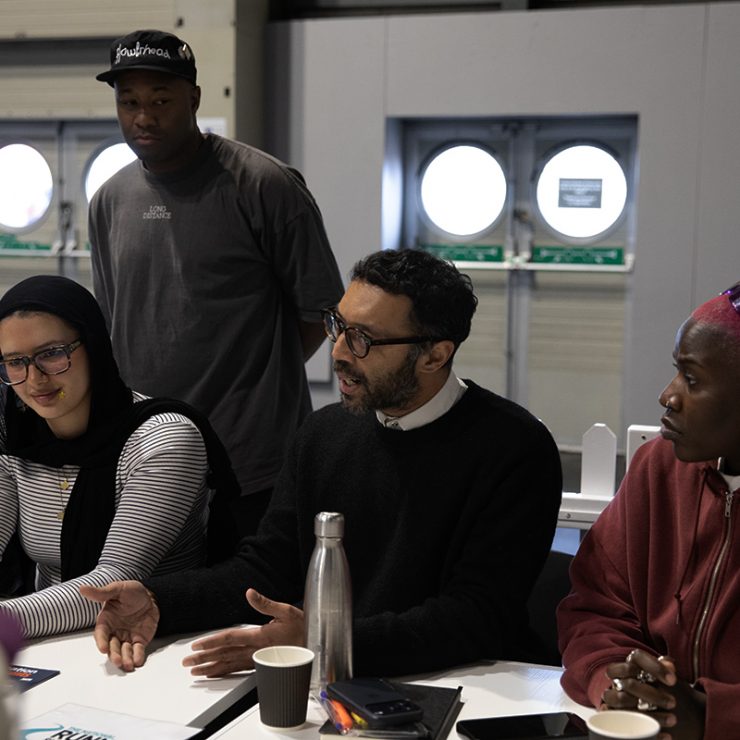
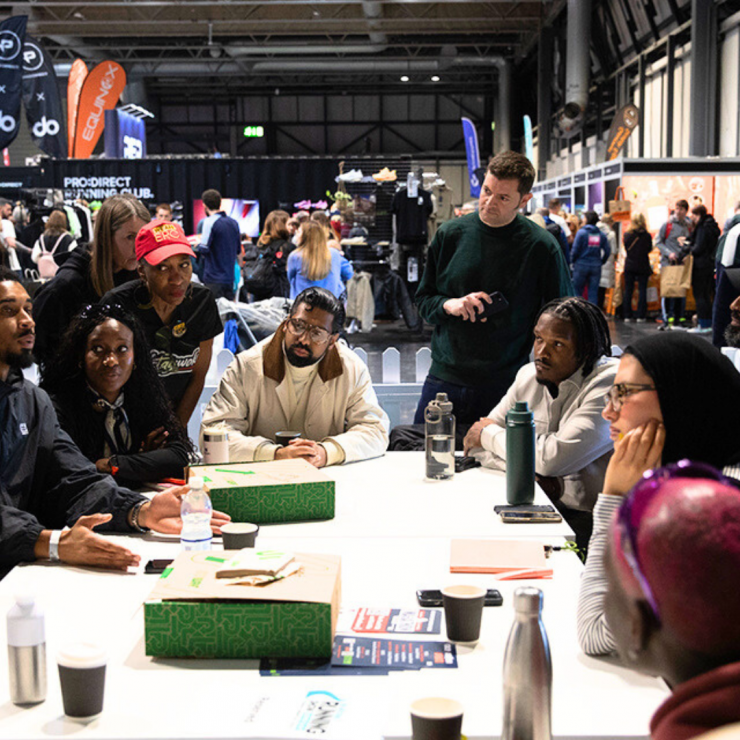
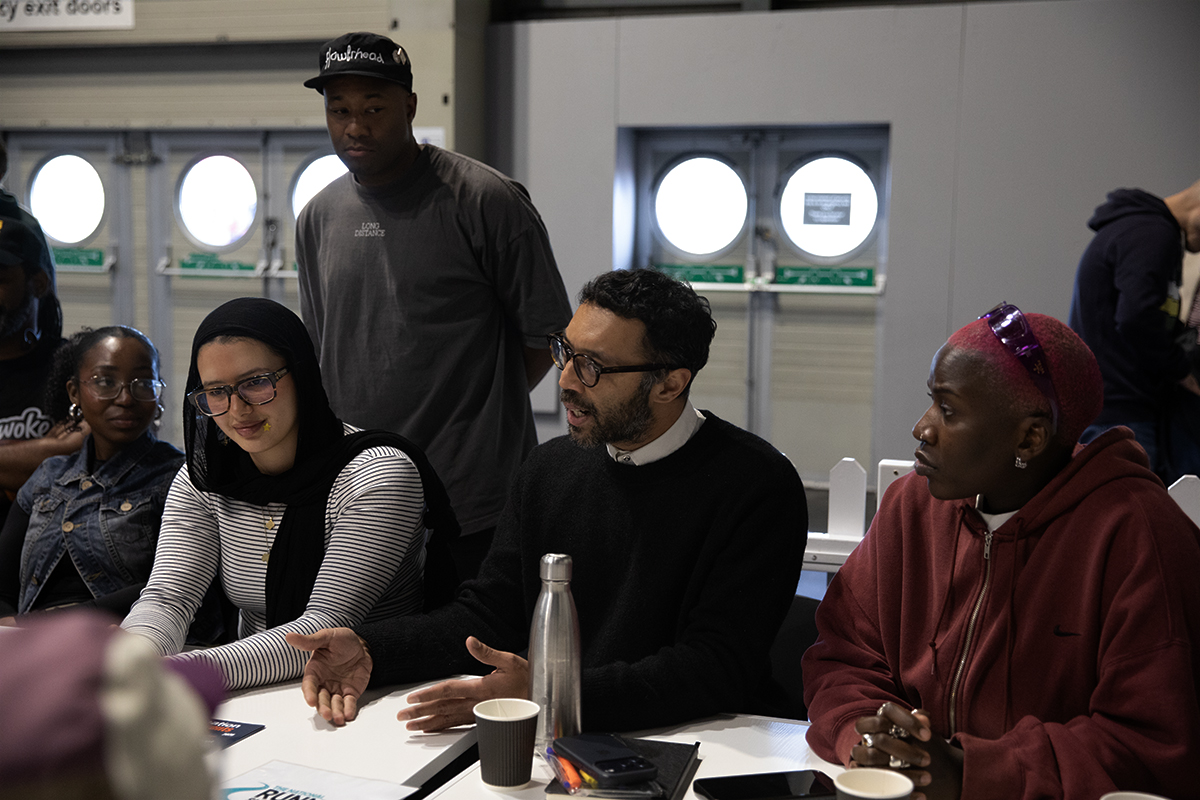
At The National Running Show, a small group of community leaders gathered for the inaugural meeting of the Active Communities Counsel (ACC) – a new, community-led space designed to facilitate honest conversations, shared learning, and collective reflection within the running sector.
The ACC builds on Aspire’s Moving Communities platform, with a clear purpose: to listen to, learn from, and be guided by the lived experiences of those shaping movements at ground level. Rather than positioning communities as case studies, the ACC exists to create a place for voices that are often underrepresented in conversations around running, representation, and accessibility.
As Lory Louves, Aspire’s Cultural Insights and Strategy Manager and host of the first ACC gathering, reflected: “Great things are happening in the running and more generally in the movement space, but actors like us , agencies, brands, also have a responsibility to look more closely at how we show up. This is about creating a safe space to listen, and being honest about what is needed to move forward in an impactful yet long-lasting way.”
Held in Birmingham in early February, the first gathering focused on lived experiences within the running space, from exploring the realities of building community to discussing the barriers people face in accessing events and spaces, as well as the ongoing gap between participation and meaningful inclusion. What emerged wasn’t a set of neat conclusions, but a series of reflections.
Thriving by owning their culture
A recurring thread was how deeply rooted many communities are in place, identity, and heritage. Many attendees spoke about the importance of space, not just physical space, but spaces rooted in the areas they live in and shaped by the cultures they belong to.
These spaces weren’t described as cool or trending places, but as the foundations that make participation possible in the first place. They are where people feel safe turning up for the first time, where shared experiences lower the barrier to entry, and where people feel connected, comfortable, and confident.
Mafia Moves founder, Andre Coggins, spoke about keeping the run club he founded in Tottenham, London, as a way of preserving local identity and enabling members to be their authentic selves. For him, keeping the essence of the area in Mafia Moves isn’t about convenience, instead, it defines the club’s purpose: unite diverse communities, foster friendships, build confidence, and encourage hundreds to embark on their running journeys.
Similarly, the Emancipated Run Crew’s Carnival and Windrush runs exemplify how events can celebrate community culture while creating space for people to show up for each other. Rather than conforming to pre-existing event formats, these runs reflect the crew’s identity and heritage, while also giving back to their community. They provide opportunities to explore the histories, stories, and social realities that shape participants’ lives, from Grenfell and the Black Lives Matter movement to challenges such as knife crime.
Taken together, these examples show that thriving communities are built on more than runs or events – they’re rooted in identity. When culture is central, participation becomes more than a momentary action; it becomes a continuation of connection, belonging, and collective purpose.
In the room where decisions happen
Being present at events is only part of the story. The other part is about having a voice in the places where decisions are made to help shape how events are experienced, who feels welcome, and which policies are prioritised by running events.
Community leaders emphasised the importance of integration over representation. Attendance at races or runs matters, but influence comes from being included more than just as a participant. When these spaces include diverse perspectives, events can better reflect and cater to the lived realities of the communities they serve.
As Trojan Gordon, co-founder of the Emancipated Run Crew, shared: “Representation is one thing, integration is another. Participating in races is not enough – we also need to have a voice in decision-making spaces. The experiences of runners from different communities need to be heard in these rooms.”
The conversation in the room wasn’t about singling out organisations or prescribing solutions, but about what becomes possible when voices that are often underrepresented are included earlier in the process. Participants reflected on how experience and feedback from those within those spaces can shape everything from how events communicate to how people experience race day itself.
Rather than offering a checklist of fixes, the discussion pointed to a broader responsibility for the industry, to create structures where feedback is welcomed, difference is accounted for, and inclusion and accessibility is built into the design of events at every stage, not added on afterwards.
Adam Reeve, Senior Marketing Manager at Royal Parks Half Marathon, who attended the event reflected on this from an event organiser’s perspective: “The ACC gathering gave invaluable insights into the collaboration between community groups and their challenges and successes. As an event organiser, my key takeaways were that to truly understand the communities we work with, we need to meet them where they are and to co-create inclusive opportunities and experiences.”
Time is money
Another recurring reflection was around the invisible labour that sits behind the role of community leaders. The work of organising weekly runs, showing up consistently, creating safe and welcoming spaces, and supporting others rarely happens in isolation. For some of those who attended, this work exists alongside full-time employment and other commitments.
Participants spoke about how being invited to events often comes with unspoken costs – travel, time away from unpaid work, preparation, and emotional labour. While gestures like free entry or kit can feel well-intentioned, they don’t account for the wider realities of what it takes to sustain community work over time.
As Mohson Iqbal, Track and Core founder and DJ, shared: “Our time is valuable. Leading runs and attending events involves travel, taking time off work, and creating content, often without pay. Participation isn’t just about free tickets or ‘vibes’, and if one person can’t say yes, someone else likely will. If we want these communities to thrive, we need to reconsider how time and effort are supported.”
The reflection wasn’t framed as a complaint, but as an acknowledgment of a structural tension: community work is often treated as voluntary, while the benefits of that work are felt far beyond the communities themselves. Rather than defaulting to community leaders in the hope they’ll bring their “army” or to fit a “diversity quota” to events or collaborations, participants reflected on the need for sustainable support that recognises all that’s involved.
As a result, what surfaced was a broader question for the industry to sit with: how can these elements (time, labour, and expertise) be valued in ways that make these relationships sustainable for community leaders, rather than extractive?
Influencer vs person of influence
Building on discussions around financial support, a distinction that surfaced was between visibility and influence. While follower count and social reach often shape who is seen as “influential” within the running space, participants reflected that meaningful community impact tends to be built through consistency, presence, and long-term relationship building.
Influence, in this context, wasn’t framed around performance or personal brand, but as a sustained contribution. This kind of influence is often quieter, less visible online, and harder to measure, but is deeply felt within communities themselves.
As one participant reflected, this kind of impact rarely looks like marketing. It doesn’t show up on a poster or a social feed, but in moments that are harder to quantify. That might look like supporting an older person with weekly walks who might otherwise feel isolated, or creating stability and confidence for a young person through regular presence. Understanding the breadth of what community leaders do, from youth clubs and walking groups, to coaching and informal support, shifts how influence is recognised and valued.
The conversation also touched on how support structures shape what influence is possible. When community leaders are resourced to show up consistently, whether through paid roles or other means of support, it changes what can be sustained. Over time, this is reflected in the community itself – run clubs become more diverse, spaces feel safe and inclusive, and participants remain loyal to the leaders who have been there for them through first races, marathon training, or supporting them through highs and lows.
What surfaces from this distinction was the need to recognise who is already doing the long-term work and asking how they can be supported in order to consistently show up, prevent burnout, and feel empowered to keep building on the community they’ve forged.
Support that actually matters
Feeling truly supported by a brand was, for many of those who attended, what mattered most. They understood that free kit costs very little for big brands, and that type of support can sometimes feel transactional – a way to extract information or visibility from a community rather than to sustain it. When support isn’t offered in the right way, community leaders often continue doing the work themselves.
Arwa Ali, Founder of Athene Run Club, reflected a similar experience: “We asked for a certain level of support from a brand and they said no, so we found a way to do it ourselves. We didn’t need to prove the value of what we were doing – the community and its impact spoke for itself.”
What came to the fore was the importance of brands listening and understanding the context in which communities operate. Many highlighted that the most meaningful support came from brands that actively researched the community, showed up at weekly run clubs or events, and asked what the leaders and their communities actually needed. At the same time, it was noted that this wasn’t always the case – the nature and quality of support often depended on who was in charge at the brand and how they defined support.
While the session centred on community voices, brand representatives also reflected on their own responsibility. Dan Southam, Head of Regional Marketing UK, Central & Nordics at Suunto, highlighted how they work with communities: “We ensure we listen more than we speak. As a brand, you need to have a true understanding of the needs and values of a community. This ensures there is alignment and a shared sense of purpose. Without listening, a brand can very easily fall into the trap of partnering with communities with only their own brand agenda at heart, leading to inauthentic partnerships that never get below surface level. Something community members see straight through.”
Ensuring alignment between a brand’s ethics and values and those of the community was highlighted as essential. Some clubs were supported primarily by local businesses that are trusted and recognised within their communities. For example, the Emancipated Run Crew noted that their events are backed by Black-owned businesses and that they received little to no support from outside their community to run these initiatives. Other run clubs, meanwhile, have established working relationships with globally recognised sports brands, which they said have provided support in ways that both parties found beneficial.
Across all examples, what mattered most was thoughtful, aligned support – the kind that listens, respects, and enables, rather than offering support that stops at free kit.
What’s next?
Layla Smith, Founder and Managing Director of Aspire PR highlighted the importance of creating space for these types of discussions to be held openly with community leaders: “These conversations aren’t new, and they shouldn’t be treated as trends. For us, the Active Communities Counsel is about listening properly, without agenda, without rushing to solutions, and without assuming we have the answers. Communities have been doing this work for years. Our responsibility is to create space, show up consistently, and approach what we hear with care and accountability.”
Rather than offering conclusions, the gathering highlighted questions for the industry to sit with: how can time, labour, and expertise amongst community leaders be properly valued; how can support be truly meaningful, aligned, and sustainable; and how can participation be shaped by those who experience it firsthand?
The intention is for these conversations to continue, guided by the voices within the community itself. The reflections shared here are a reminder that progress is ongoing, and that listening, learning, and acting thoughtfully and responsibly remain central to building inclusive and thriving running communities. Because running should be an experience that enables people to have fun, be their authentic selves, and feel safe and confident while doing it.
Written in collaboration with freelance journalist and outdoor storyteller India Paine, whose work spans cycling, adventure and travel.
Get in touch at hello@aspirepr.co.uk to start a conversation.
You can also sign up to our newsletter here to stay up to date with our latest news, projects and insights.